
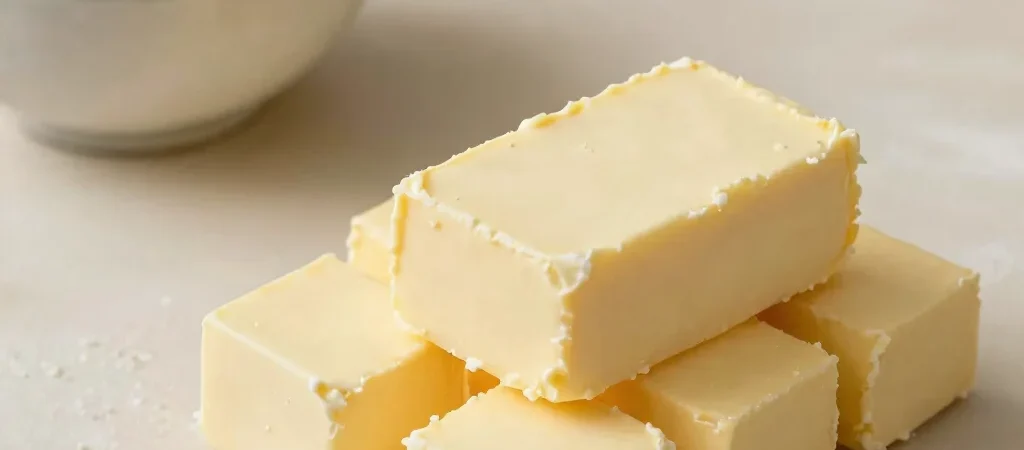
In pastry, butter is both an ingredient and a structural choice. A chilled piece rubbed into flour behaves differently from softened butter beaten into a mixture, and those differences show up in the crumb, the bite, and the way a baked good breaks apart.
Temperature Has a Job
Cold butter in a pie or tart dough stays in small pieces as the dough comes together. In the oven, those pieces leave pockets that help create a tender, flaky texture. Soften the butter too much during mixing, and the dough can become greasy or difficult to handle.
Mixing Changes the Texture
Creaming softened butter with sugar incorporates air, which supports a lighter texture in many cakes and cookies. Cutting cold butter into flour does something else: it limits blending and keeps the mixture from turning smooth. Neither method is universally better; the right one depends on the pastry you want.
Notice the Finished Crumb
When tasting, look beyond richness. A tender crumb should give way easily, while a crisp pastry should fracture cleanly; a laminated piece should separate into visible layers. Those details offer a practical clue about how butter was handled—and a reason to pay attention to the process as well as the ingredient list.